








How to Use Activated Charcoal for Your Teeth

Activated charcoal has become a popular ingredient in natural oral care. You have likely seen black tooth powders and charcoal infused toothpastes promising a brighter smile and fresher breath. But how does it actually work, and what is the right way to use it?
This guide explains how activated charcoal interacts with your teeth, how to use it properly, and what to consider before adding it to your routine.
Why People Use Activated Charcoal for Teeth
Activated charcoal is a highly porous form of carbon. Its structure gives it a large surface area that can bind certain substances through adsorption.
When used on teeth, activated charcoal may help:
• Lift surface stains caused by coffee, tea, or wine
• Reduce discoloration from certain foods
• Bind odor causing compounds in the mouth
• Leave teeth feeling smooth and polished
It is important to understand that charcoal primarily works on surface stains. It does not change the natural color of your enamel or bleach teeth internally like professional whitening treatments.
How Activated Charcoal Interacts with Stains
Tooth discoloration falls into two general categories.
Surface stains sit on the outer enamel and often result from pigmented foods and beverages. These are the stains charcoal is most likely to affect.
Deeper stains occur within the tooth structure. These are typically addressed through peroxide based whitening systems under dental supervision.
Activated charcoal works mechanically and through adsorption. The fine particles can help loosen debris and surface buildup. At the same time, its porous structure can bind certain compounds in the mouth that contribute to discoloration or odor.
Choosing the Right Form
Activated charcoal for oral use is typically available as:
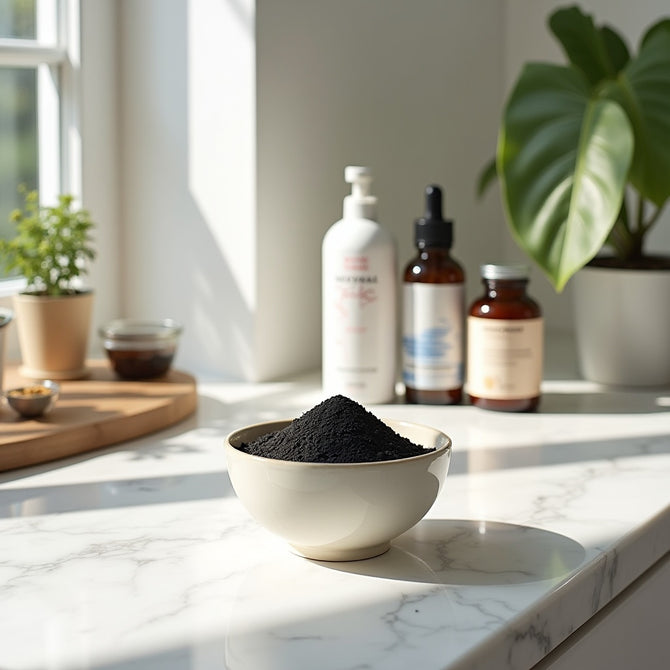
• Loose powder
• Charcoal infused toothpaste
• Charcoal tooth polish blends
If you are new to charcoal, a formulated toothpaste may be the easiest place to start. These products are usually balanced with other ingredients to reduce excessive abrasiveness.
If using loose powder, make sure it is labeled as food grade or cosmetic grade and intended for oral care.
Step by Step Guide to Using Activated Charcoal on Your Teeth
1. Start with a small amount
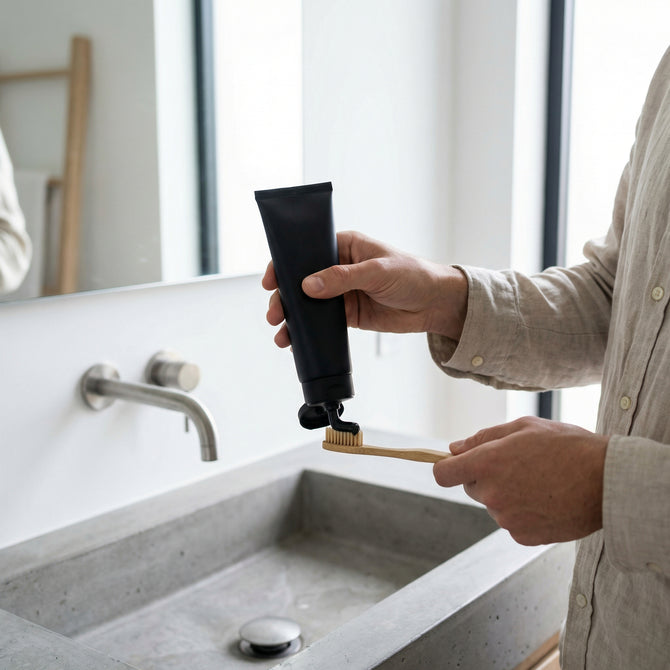
If using powder, dip a damp toothbrush lightly into the charcoal. You only need a thin coating on the bristles. Using too much can create unnecessary mess and increase abrasion.
If using charcoal toothpaste, apply a pea sized amount.
2. Brush gently
Use light pressure and small circular motions. Focus on areas prone to staining, such as the front surfaces of your teeth.
Avoid aggressive scrubbing. Enamel does not regenerate once worn down, so gentleness matters.
Brush for about two minutes.
3. Spit carefully and rinse thoroughly
Activated charcoal can be messy. Spit slowly and rinse your mouth well with water. You may need to rinse more than once to remove all residue.
Some people choose to follow up with a regular fluoride toothpaste to ensure complete cleaning and enamel support.
4. Limit frequency
Using activated charcoal too often may increase enamel wear over time, especially if the product is abrasive.
Many people use it:
• Once or twice per week
• Or as an occasional stain lifting treatment
Daily use is generally not necessary unless recommended by a dental professional and the product is specifically formulated for frequent use.
Potential Benefits
When used properly and in moderation, activated charcoal may offer:
• Noticeable reduction in mild surface stains
• Fresher breath due to odor adsorption
• A smooth polished feel after brushing
Results vary depending on diet, oral hygiene habits, and the specific product used.
Important Considerations
Activated charcoal is not a replacement for comprehensive dental care.
Keep the following in mind:
• Charcoal does not contain fluoride unless added by the manufacturer.
• Fluoride helps strengthen enamel and protect against cavities.
• Some charcoal products may be abrasive. Overuse or aggressive brushing can contribute to enamel thinning and gum irritation.
• Charcoal can stain fabrics and sink surfaces, so rinse carefully.
• If you have dental restorations such as veneers, bonding, or crowns, charcoal will not whiten them and may affect their surface over time.
• If you have sensitive teeth or existing enamel erosion, consult your dentist before using charcoal products.
Is It Safe for Everyone
For most healthy adults, occasional use of a well formulated activated charcoal dental product is considered low risk. However, it should be used thoughtfully.
Children, individuals with significant enamel wear, and those undergoing active dental treatment should speak with a dental professional before trying charcoal based products.
The Bottom Line
Activated charcoal can be a helpful addition to an oral care routine when used in moderation and with proper technique. It is best suited for lifting mild surface stains and supporting fresher breath.
It is not a substitute for professional whitening, fluoride protection, or regular dental checkups. Gentle brushing, smart frequency, and choosing high quality products are key.
If you are curious about trying activated charcoal for your teeth, start slowly, pay attention to how your teeth respond, and keep your overall oral health as the priority.


