









The Power of Filtration: How Activated Charcoal Can Purify Your Water

Clean, safe drinking water is essential for life, but in many parts of the world, water can carry harmful contaminants like bacteria, heavy metals, chemicals, and unpleasant odors. That’s where water filtration comes in. Among the many filtration methods available, one of the most popular and effective is activated charcoal (also known as activated carbon) filtration. But what exactly is activated charcoal, and how does it work to clean our water?
In this post, we’ll dive deep into the science and benefits of activated charcoal water filtration, explore how it's used in various systems, and help you understand why it might be the best choice for your home, health, and environment.
What Is Activated Charcoal?
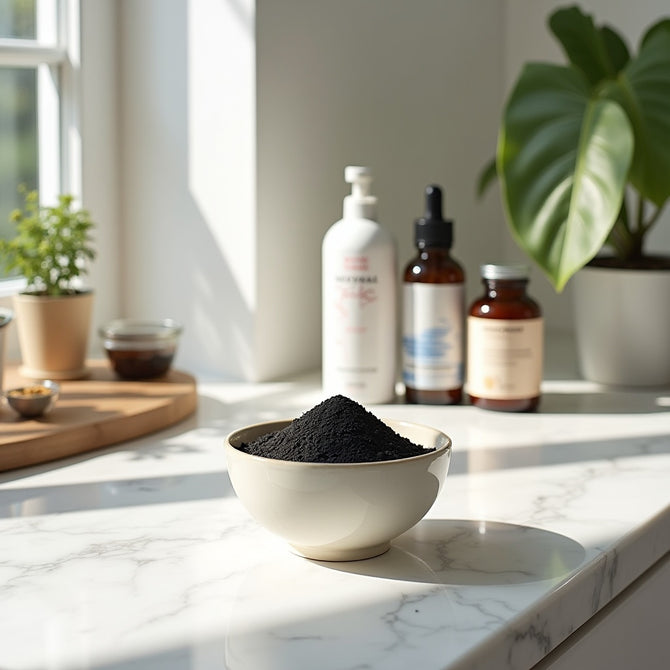
Activated charcoal is a form of carbon that has been processed to have a massive surface area and high porosity, making it extremely effective at trapping impurities. It's made by heating carbon-rich materials like coconut shells, wood, or coal, to very high temperatures in the absence of oxygen. This process, called activation, creates a network of microscopic pores that can capture and hold onto particles, chemicals, and toxins.
To give you a sense of its power, just one gram of activated charcoal can have a surface area of over 32,000 square feet. This makes it an ideal filter for both air and water.
How Does Activated Charcoal Filter Water?
Activated charcoal doesn’t just block particles like a sieve. Instead, it works through a process called adsorption (not to be confused with absorption). In adsorption, contaminants in the water are attracted to the surface of the charcoal and stick to it, much like how a magnet attracts iron filings.
Here’s what activated charcoal is especially good at removing from water:
• Chlorine (used in municipal water but often leaves a bad taste)
• Volatile organic compounds (VOCs)
• Pesticides and herbicides
• Pharmaceutical residues
• Heavy metals like lead and mercury
• Unpleasant tastes and odors
It’s important to note, however, that activated charcoal does not effectively remove minerals, salts, or dissolved inorganic substances, like fluoride or nitrates. That’s why it’s often used in conjunction with other filtration systems for a more comprehensive purification.
Types of Activated Charcoal Water Filters
There are several types of water filtration systems that use activated charcoal, each with its own strengths and purposes:
1. Granular Activated Carbon (GAC) Filters
These contain loose granules of activated charcoal. They are commonly found in pitcher filters, faucet attachments, and some under-sink systems. They’re great for improving taste and odor.
2. Carbon Block Filters
These are made from powdered activated charcoal that is compressed into a solid block. The tighter structure allows for better filtration of smaller particles and contaminants compared to GAC filters.
3. Inline Filters
Often used in refrigerators, coffee machines, or RVs, these compact filters are placed directly in the water line to treat small volumes of water.
4. Whole House Systems
These large-scale systems treat all the water entering your home, protecting plumbing and appliances while ensuring clean water at every tap.
Benefits of Using Activated Charcoal for Water Filtration
Improves Taste and Smell
One of the most noticeable benefits is the improved taste of your drinking water. Activated charcoal effectively removes chlorine and other compounds that cause bad tastes and odors.
Removes Harmful Contaminants
While it doesn’t eliminate everything, activated charcoal does an excellent job filtering out many toxic chemicals and organic compounds that can impact your health.
Eco-Friendly Option
Many activated charcoal filters are reusable or recyclable, and the material itself is biodegradable if made from coconut shells or other natural sources.
Affordable and Accessible
Charcoal filters are generally inexpensive, widely available, and easy to install, making them a popular choice for home use.
Limitations to Be Aware Of
While activated charcoal is an excellent filter medium, it's not a cure-all. Here are a few limitations:
• Doesn’t remove bacteria or viruses (unless used in combination with UV or ceramic filters)
• Needs regular replacement to stay effective; once saturated, it stops filtering and may even leach contaminants back into the water
• Limited effect on hard water minerals like calcium and magnesium
How Often Should You Replace a Charcoal Filter?
This depends on the system and how much water you use, but a good rule of thumb is to replace your filter every 2 to 6 months. Many modern filters come with indicators that show when it’s time for a change. Never ignore these signals as an old, saturated filter can do more harm than good.
DIY Charcoal Water Filtration: Is It Safe?
Some people try making DIY charcoal filters using campfire charcoal or crushed briquettes. This is not recommended. Activated charcoal is very different from regular charcoal, it’s specially treated to create an ultra-porous structure, and using untreated charcoal could be unsafe or ineffective.
If you’re ever in a survival situation, makeshift charcoal filters might be a last resort, but for everyday use, stick with certified activated charcoal products designed for water filtration.
Final Thoughts
Activated charcoal is one of the most powerful, natural tools we have for improving water quality. Its massive surface area and adsorption capabilities make it ideal for removing a wide range of contaminants while enhancing the taste and safety of your water.
Whether you're looking to upgrade your home filtration system or simply curious about how that pitcher on your counter works, understanding the role of activated charcoal can help you make smarter, healthier choices.
Clean water is life and with activated charcoal, it’s also simple, affordable, and effective.
Interested in trying activated charcoal water filters for yourself? Keep an eye out for NSF-certified systems and replace your filters regularly to keep your water fresh and pure.


