






Activated Charcoal in Cosmetics

Activated charcoal has exploded from niche apothecary ingredient to mainstream cosmetic shelf-staple. In this deep dive I’ll cover what it is, how it works, the cosmetic products that use it, formulation and safety considerations, evidence vs. marketing, DIY vs. commercial, how to pick a product, and practical tips for using it at home. I’ll keep the science practical and the warnings clear so you can separate hype from useful application.
What is activated charcoal?
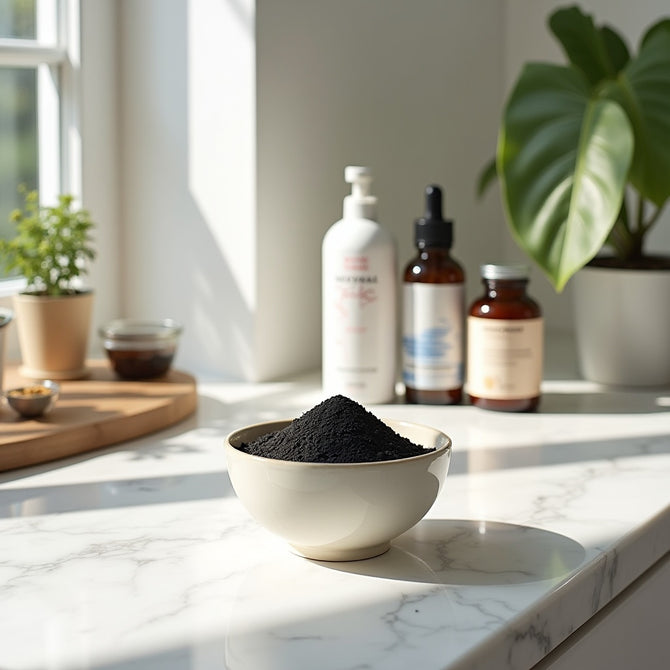
Activated charcoal is a highly porous, carbon-rich material made by heating organic matter (coconut shell, wood, peat, etc.) to high temperatures and then “activating” it, usually with steam or chemical agents, to create a very large internal surface area with many micro pores. Unlike plain charcoal, activated charcoal is engineered for adsorption where molecules and particles stick to its surface.
Key point: adsorption (molecules sticking to the surface) is different from absorption (soaking in). The surface activity is why it’s used for odor control, filtration, and cosmetically, binds to oils, dirt, and other impurities.
How activated charcoal works on skin/hair/teeth
Adsorbs sebum and particulate matter. The porous structure can bind oils, pollutants, and tiny particulates in the pores or on the skin surface.
Physical clarifier. In scrubs or masks it acts as a mildly abrasive, helping lift dead skin cells (depending on particle size).
Oil control/odor adsorption. In deodorants and some cleansers it helps capture volatile compounds that cause odor.
Whitening (cosmetic) for teeth. It can remove surface stains through abrasion/adsorption, but results vary and are temporary.
Important caveat: activated charcoal is not a magic sponge that pulls toxins out of your bloodstream or deeply detoxifies skin; its action is largely superficial/adsorptive.
Main cosmetic applications (and why brands use it)
Face masks & wash-off clay/charcoal masks
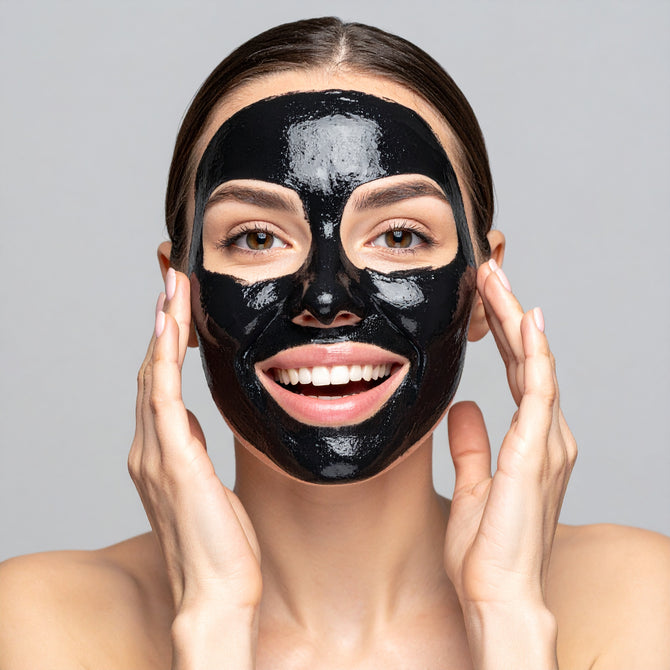
Most common use. It’s marketed for deep-cleansing, pore-decongesting, and oil control.
Works best as part of a formulation with surfactants or clays (kaolin, bentonite) that help emulsify and lift sebum.
Texture and particle size affect feel (a silky mask vs gritty scrub).
Cleansers and face washes
Often included at low levels for a “charcoal cleanse” claim and matte finish.
In foaming cleansers, surfactants do most of the cleaning; charcoal contributes adsorption and marketing appeal.
Exfoliating scrubs & bar soaps
Adds mild abrasion and a dramatic look (black bars/scrubs).
Use caution: coarse charcoal particles + coarse abrasives = risk of micro-tears if over-used.
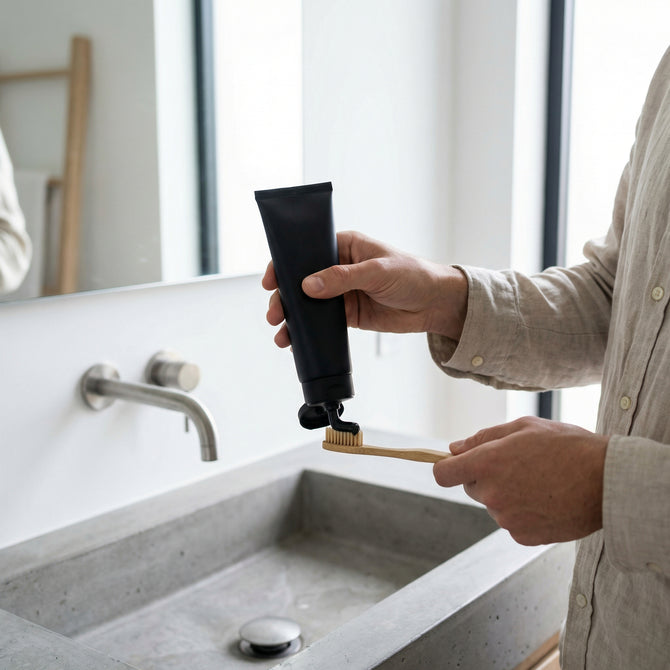
Toothpastes & tooth powders
Marketed for stain removal/whitening. Works by mild abrasion and adsorption of surface pigments.
Concerns: long-term use can be abrasive to enamel and may interfere with fluoride effectiveness; consult a dentist before long-term use.
Hair products (clarifying shampoos, pastes)
Used for clarifying builds of oil and product residue. Formulated with surfactants that remove bound oils; charcoal adds adsorption and the “detox” angle.
Deodorants
Activated charcoal (often combined with baking soda or zinc) adsorbs odor-causing molecules and helps moisture control.
Pore strips & peel-off products
Some pore strips include charcoal to add perceived adsorption of blackhead material; mechanical removal is the primary action.
Nail & foot products
Used in foot masks, callus removers and nail cleansers for odor and stain control.
Safety and side effects to watch for
Skin irritation & abrasion: coarse charcoal particles or frequent exfoliation can damage barrier function and cause inflammation or microtears.
Allergic reactions: are rare, but possible always patch test new products.
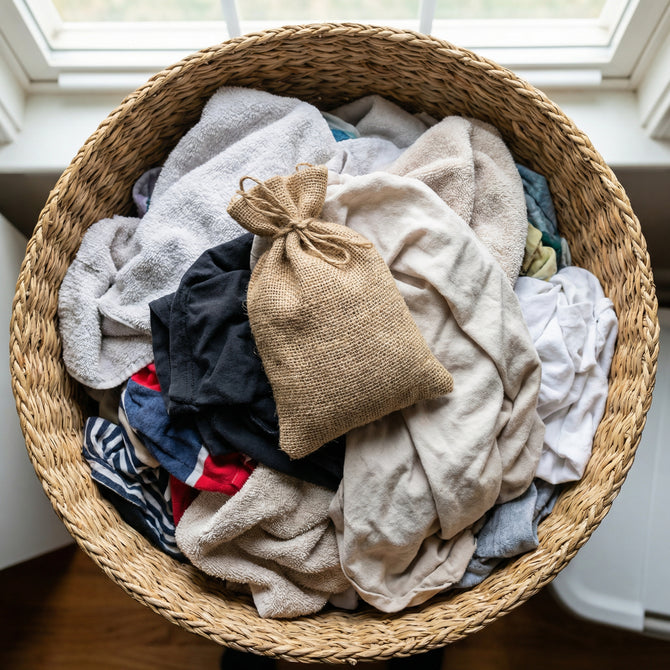
Staining: charcoal is messy and can stain towels, clothing, porous surfaces, and sometimes temporarily stain the gums or skin if left too long.
Contaminants: quality matters. Poorly manufactured activated charcoal can carry heavy metals or contaminants depending on source and activation process. Reputable suppliers test for heavy metals and microbial load.
Oral care caution: excessive or abrasive charcoal-based toothpaste can wear enamel and is not a replacement for fluoride. Check RDA (Relative Dentin Abrasivity) values when available and consult dental advice.
Not for ingestion (unless medical supervision): medical-grade vs cosmetic-grade are different. Don’t swallow cosmetic formulations containing charcoal.
Always recommend a patch test and stop use if irritation or prolonged dryness occurs.
DIY recipes & safe home use
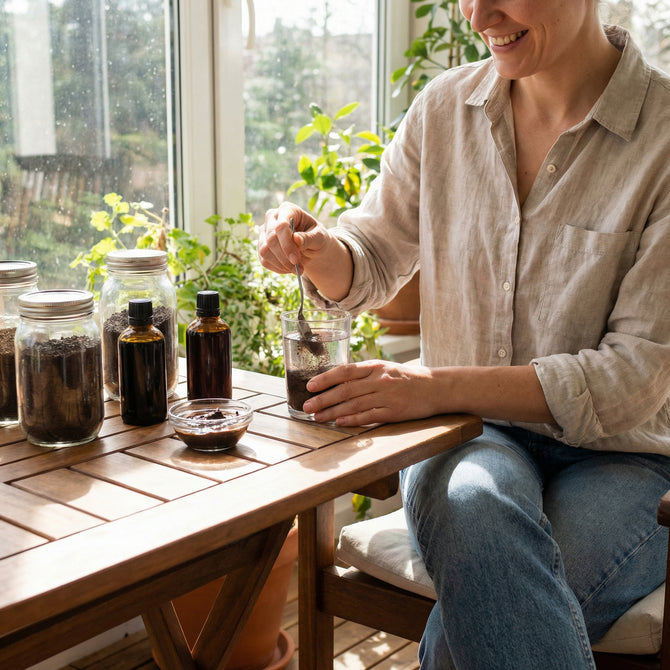
If you choose to DIY, keep it simple and safe. Never ingest DIY charcoal dental pastes regularly; for skin, do a patch test.
Quick gentle charcoal cleansing mask (DIY)
• 1 tsp cosmetic-grade activated charcoal powder
• 1 tsp plain yogurt or aloe vera gel (soothing base)
• ½ tsp honey (optional — humectant and antimicrobial)
Mix into a paste, apply for 5–10 minutes, rinse thoroughly. Use once per week. If you have acne or sensitive skin, skip honey (it can irritate some) and consult a dermatologist.
Note: don’t mix charcoal masks with strong actives (AHA/BHA, retinol) in the same application. Instead use on different days.
Commercial vs DIY
Commercial products
Pros: controlled particle size, safety/contaminant testing, stable formulations, preservative systems, professional pH and surfactant balance.
Cons: more expensive, claims may be overhyped.
DIY
Pros: cheap, can control ingredients, fun to experiment.
Cons: contamination risk, unstable formulations, risk of excessive abrasion or incompatibility with other skincare products, no preservative (if water added), inconsistent results.
If you’re using charcoal in a product meant for your teeth, get dental advice first. A professional can tell you whether a specific product is safe for enamel.
Checklist for Choosing A Product
Ingredient transparency. Does the label list the charcoal source and other active ingredients? Beware products that avoid a full INCI list.
Particle / texture description. Look for “fine” vs “gritty” if you prefer gentler feel.
Third-party testing / safety claims. Heavy metal testing or contaminant screening is a plus.
Formulation purpose. Is it a deodorant, a facial cleanser, or a scrub? Choose the product type that matches your need (don’t use a gritty scrub as a daily face wash).
pH and preservatives (where listed). Ideally formulated near skin pH and with a broad-spectrum preservative if it’s water-containing.
Dentist/dermatologist endorsements are helpful but check for independence as paid endorsements can bias recommendations.
User reviews focusing on results and side effects. Prioritize reviews that mention irritation, dryness, or staining.
Environmental & sourcing considerations
Feedstock matters. Charcoal made from coconut shells is common and often marketed as more sustainable than wood-sourced charcoal.
Processing impact. The activation method (steam vs chemical activation) and energy used matter for the carbon footprint.
Packaging: the black dust stains things so choose recyclable/robust packaging.
If sustainability is important to you, look for suppliers that disclose feedstock and activation practices.
Practical tips for users
Use charcoal products sparingly (1–3× per week for masks; daily only if the product is formulated specifically for daily use and you tolerate it).
Patch test new products on inner forearm for 24–48 hours.
Rinse well as charcoal can trap in residues if not removed fully.
Avoid using abrasive charcoal scrubs on acne-inflamed or compromised skin, they can worsen inflammation.
For teeth, limit use and consult a dentist; do not combine charcoal toothpaste with professional whitening treatments without guidance.
Keep a dark towel or old cloth handy when applying; expect mess.
FAQs
Q: Can charcoal cure acne?
A: No, it can help reduce surface oil and temporarily reduce pore congestion, but it won’t treat inflammatory acne the way topical antibiotics, benzoyl peroxide, retinoids, or systemic treatments do.
Q: Is charcoal safe for sensitive skin?
A: Possibly, many formulations are gentle, but scrubs and coarse particles can irritate. Patch test and choose “gentle” or low-abrasion products.
Q: Will charcoal whiten my teeth permanently?
A: Usually not. It may remove surface stains but can be abrasive. It doesn’t change intrinsic tooth color and isn’t a substitute for dentist-supervised whitening.
Q: Is activated charcoal the same across brands?
A: No, quality, feedstock, particle size, and activation method all differ. Buy reputable brands.
Final takeaways
Activated charcoal is a useful cosmetic ingredient when used for what it actually does: adsorb surface-level oils, particulates, and odors, and provide a striking aesthetic. It’s not a systemic detoxifier and is not a replacement for clinically proven dermatological or dental treatments. If you like the sensory and short-term effects (mattifying, clarifying, dramatic black mask look), use quality products, follow safety precautions, and avoid overuse.


