









The Ultimate Guide to Activated Charcoal: Benefits, Uses, Myths & More


Activated charcoal has surged in popularity in recent years, making its way into everything from detox juices and teeth-whitening kits to face masks and supplements. But is it just a trendy buzzword, or does activated charcoal actually live up to the hype?
In this comprehensive guide, we’ll explore what activated charcoal is, how it works, what it’s used for, the science behind it, safety concerns, and whether it deserves a place in your wellness routine.
What Is Activated Charcoal?
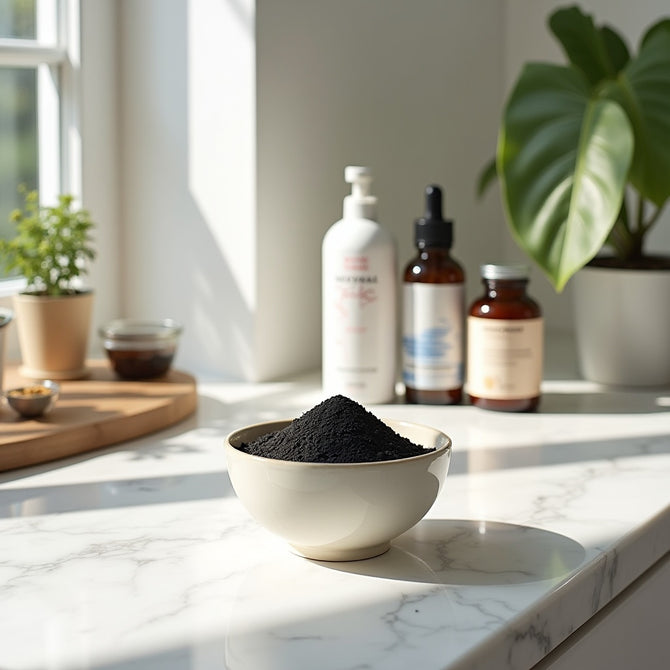
Activated charcoal (sometimes called activated carbon) is a fine, odorless, black powder made from natural materials such as coconut shells, wood, peat, or coal that have been processed at very high temperatures. This process "activates" the charcoal by increasing its surface area and developing a porous structure that can trap chemicals and toxins.
The key feature of activated charcoal is adsorption, not absorption. That means toxins and chemicals stick to the surface of the charcoal rather than being soaked up into it. Thanks to its high porosity, a single gram of activated charcoal can have a surface area of over 3,000 square meters.
A Brief History of Activated Charcoal
While it may seem like a modern wellness trend, activated charcoal has been used for thousands of years. Ancient Egyptians reportedly used it to purify water and treat intestinal ailments. In the 1800s, doctors began using it in hospitals to treat poisoning, a practice that still continues today.
In recent decades, activated charcoal became a staple in emergency rooms but in recent years, it has made its way into the mainstream health and beauty markets, often used for detoxing, cleansing, and internal health benefits.
How Does Activated Charcoal Work?
Activated charcoal works through adsorption, a chemical process where atoms, ions, or molecules from a substance adhere to the surface of another. Due to its enormous surface area and porous nature, activated charcoal is incredibly efficient at binding to certain toxins and gases in the gastrointestinal tract.
However, it's not selective as it can also bind to beneficial nutrients, medications, or even water. That’s why timing and context are important when using it.
Common Uses of Activated Charcoal
1. Medical Poisoning and Overdose Treatment
Emergency rooms often administer activated charcoal to patients who have ingested poisons or overdosed on drugs. It can prevent the poison from entering the bloodstream if taken shortly after ingestion.
2. Digestive Health and Bloating
Many people take activated charcoal for relief from gas and bloating since it can bind with gas-producing compounds in the stomach and intestines. Some small-scale studies show it can reduce intestinal gas after a heavy meal.
3. Teeth Whitening
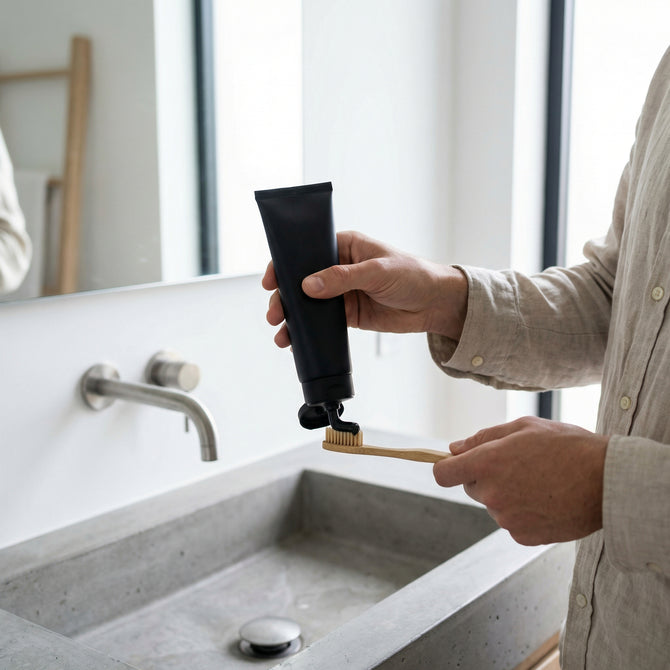
Thanks to its mildly abrasive texture and toxin-binding ability, some claim activated charcoal toothpaste or powder can whiten teeth by removing surface stains from coffee, wine, or tobacco.
4. Hangover Relief
Activated charcoal is often used as a hangover cure. Although alcohol is quickly absorbed into the bloodstream making the activated charcoal not as effective once that happens, many people still report feeling much better.
5. Skin Care
In face masks and cleansers, activated charcoal is believed to draw out impurities, oil, and bacteria from the skin, making it a popular ingredient in acne treatments and detox masks.
6. Water Filtration
Water filters often use activated charcoal to remove contaminants like chlorine, pesticides, and volatile organic compounds (VOCs) without removing minerals.
7. Anti-Aging and Detox Claims
Many wellness advocates claim that activated charcoal helps slow aging by removing toxins from the body. While the detoxifying properties are real in specific cases, broader detox claims have yet to be fully proven.
Potential Side Effects and Risks
Despite its natural origins, activated charcoal isn’t risk-free. Some potential side effects and concerns include:
1. Constipation and Black Stools
Charcoal can slow down the movement of the digestive tract and may lead to constipation. It also turns your stools black, which is harmless but can be alarming.
2. Medication Interference
Activated charcoal can bind to prescription medications, making them less effective. It’s particularly risky for people taking antidepressants, blood pressure meds, birth control pills, or anti-seizure drugs.
3. Nutrient Absorption
Because it’s non-selective, activated charcoal may interfere with the absorption of nutrients like vitamins and minerals if taken frequently.
4. Enamel Erosion (Teeth Whitening)
Overuse of charcoal-based toothpaste may lead to enamel erosion due to its abrasive texture, making teeth more sensitive over time.
How to Use Activated Charcoal Safely
If you’re considering using activated charcoal, here are some best practices to ensure safe and effective use
Digestive Issues
• Take activated charcoal products as directed, typically 30-90 minutes before or after meals.
• Drink plenty of water to reduce constipation risks.
Teeth Whitening
• Use no more than 2–3 times a week.
• Avoid brushing too hard to prevent enamel damage.
• Look for ADA-approved products, if available.
For Skincare
• Choose masks or cleansers formulated for your skin type.
• Limit heavy use to avoid over-drying.
Who Should Avoid Activated Charcoal?
• Pregnant or breastfeeding women (unless approved by a doctor).
• People on prescription medications.
• Children, unless supervised by a physician.
• Individuals with chronic digestive issues or intestinal blockages.
Always consult a healthcare professional before starting a new supplement regimen.
Buying Guide: What to Look For
If you're purchasing activated charcoal for home use, here are some tips:
• Avoid added fillers, sweeteners, or artificial colors.
• For teeth whitening, look for low-abrasion formulas.
• Always follow dosing instructions on the label.
• Choose food-grade or USP-grade products
Frequently Asked Questions (FAQs)
Q: Can I take activated charcoal every day?
A: It’s not recommended for long term daily use unless prescribed by a doctor. Long-term use can affect nutrient absorption and gut health.
Q: Is it the same as the charcoal you grill with?
A: No. Barbecue charcoal is not activated and often contains harmful chemicals. Never ingest it.
Q: Can activated charcoal help with food poisoning?
A: In mild cases, it may help by binding to certain bacteria or toxins, but it’s not a total substitute for medical care.
Q: How quickly does it work?
A: For poisoning, it’s most effective when taken within 30–60 minutes. For gas or bloating, results vary.
Final Thoughts: Is Activated Charcoal Worth It?
Activated charcoal is one of those rare health products that sits at the intersection of ancient remedy and modern medicine. Its medically verified ability to bind to toxins makes it invaluable in emergency rooms and it can even be helpful for occasional digestive issues or skincare routines.
While activated charcoal can have many benefits, it should be used with awareness and caution, especially if you take medication or have underlying health conditions.
Activated charcoal may be worth exploring for the right reason, at the right time.
Ready to Try Activated Charcoal?
If you're curious about incorporating activated charcoal into your lifestyle, consult with a healthcare provider first. Choose high-quality, food-grade products from reputable sources, and use it mindfully.


