








What is Activated Charcoal?
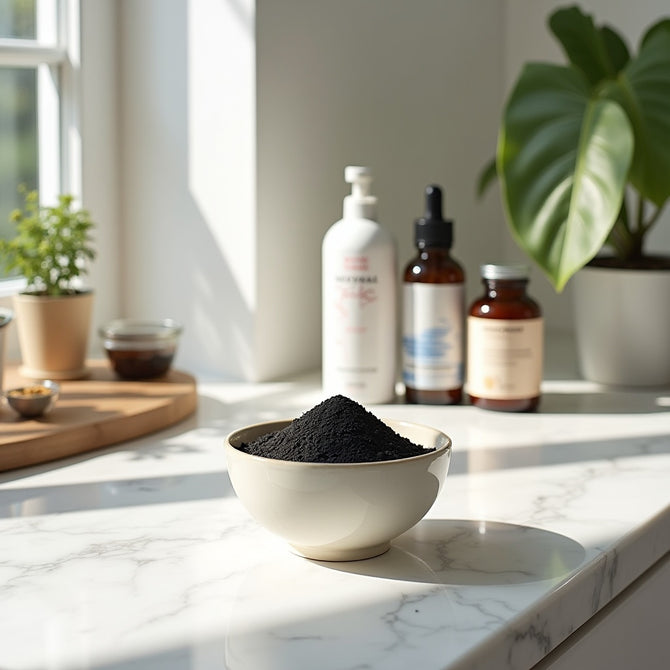
Activated charcoal is a highly processed form of carbon designed to be extremely porous. Under a microscope, it looks like a sponge filled with millions of tiny holes. These microscopic pores give it an enormous surface area and a remarkable ability to bind to certain impurities.
It is commonly made from natural materials such as coconut shells, hardwood, bamboo, peat, and coal.
The material is heated at very high temperatures and then "activated" using steam or specific gases. This activation step is what transforms ordinary charcoal into the powerful adsorption material known as activated charcoal.
Important note. Activated charcoal is completely different from the charcoal briquettes used for grilling.

A Brief History of Activated Charcoal
Activated charcoal is far from a modern trend. Its use stretches back thousands of years.
• Ancient Egyptians used charcoal to help treat wounds.
• Ancient Indian civilizations filtered drinking water with charcoal.
• In the 1700s and 1800s, scientists began formally studying its toxin binding properties.
• In modern hospitals, it became a standard treatment for certain types of poisoning and overdose.
Today, activated charcoal is used worldwide across medicine, environmental science, water purification, and grooming.

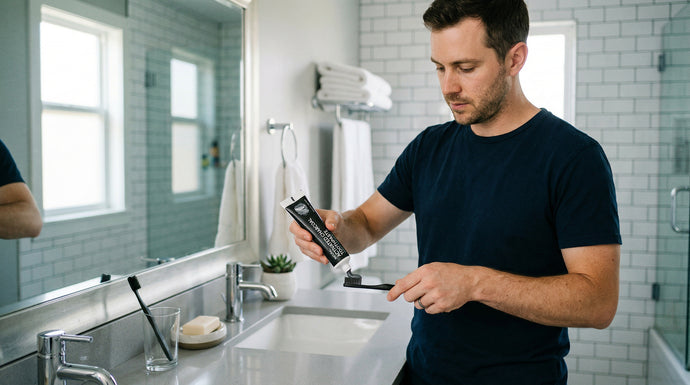
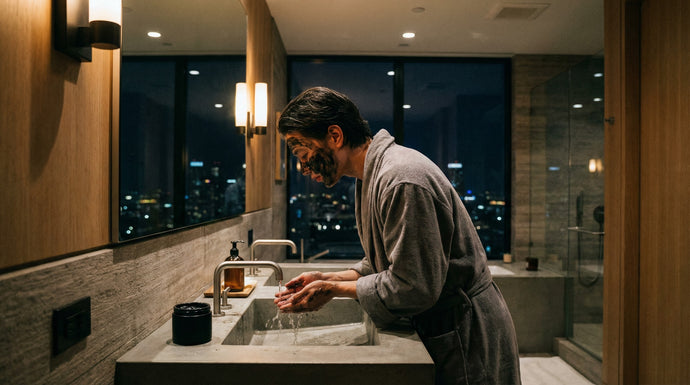
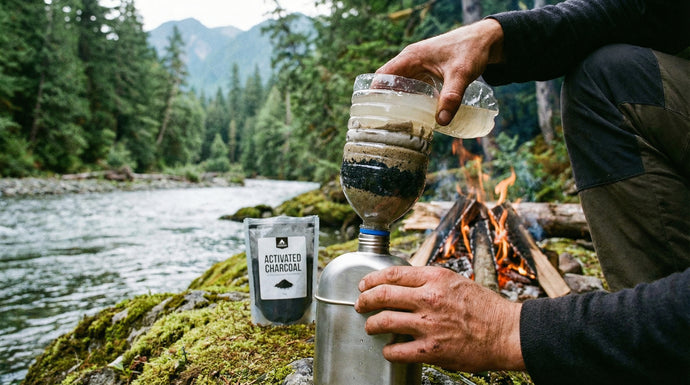
Why People Choose Activated Charcoal
People are drawn to activated charcoal for one simple reason. It works.
Surprising Facts You May Not Know
Frequently Asked Questions
Q: Is activated charcoal safe?
A: For most external uses and occasional internal use under guidance, activated charcoal is generally considered safe. Responsible use and proper product selection matter.
Q: Can activated charcoal detox the body?
A: Activated charcoal can bind certain substances in the digestive tract. However, it does not replace the natural detox work of the liver and kidneys.
Q: Can I take it every day?
A: Routine internal use is usually not recommended unless directed by a healthcare professional.
Q: Does it really whiten teeth?
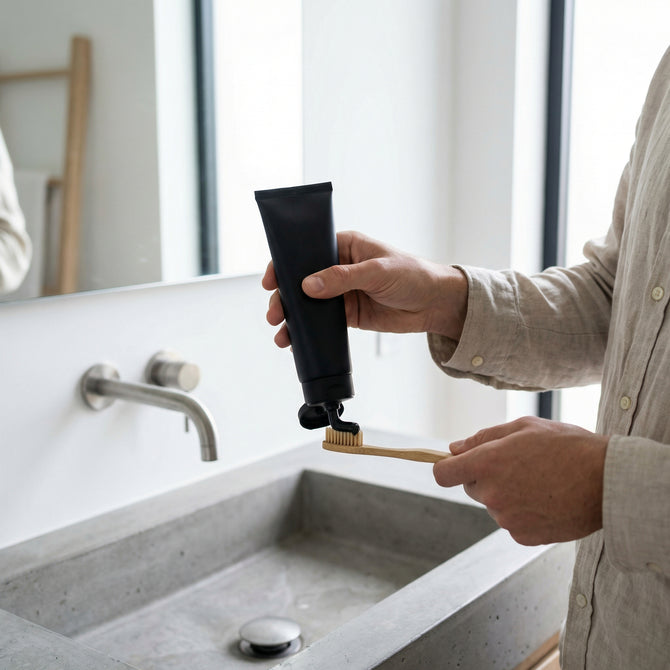
A: It may help remove surface stains. Results vary depending on the product and how often it is used.
Q: Will it affect medications?
A: Yes. Activated charcoal can bind to many medications and reduce their effectiveness. Timing and medical guidance are important.


