










Q: What is activated charcoal?
A: Activated charcoal is a specially processed form of carbon with an extremely porous surface that can bind (“adsorb”) toxins and chemicals. It’s not a traditional charcoal for grilling as it is heated and “activated” to increase its surface area and binding capacity.
Q: How does activated charcoal work?
A: It works through adsorption, where molecules bind to the surface of the charcoal instead of being absorbed into the body. This makes it useful in emergency medicine to trap certain toxins in the gut and prevent them from entering the bloodstream.
Q: What is activated charcoal used for medically?
A: The most scientifically backed use is in emergency treatment of poisoning and drug overdose. In hospitals, medical professionals give activated charcoal to adsorb many poisons and prevent their absorption.
Q: Can activated charcoal treat poisoning at home?
A: No it cannot be used to treat poisoning alone. If poisoning or overdose is suspected, call emergency services or poison control immediately. The timing, dosage, and risks must be handled by trained medical professionals.
Q: Does activated charcoal detox the body?
A: There’s no strong evidence that activated charcoal “detoxes” the body in general. Outside of emergency poisoning treatment, most so-called detox claims (like cleansing the liver or blood) are unproven.
Q: Is activated charcoal effective for gas and bloating?
A: Activated charcoal might reduce gas and bloating because it can adsorb gas molecules in the gut. Some research supports this, but results are mixed and not conclusive.
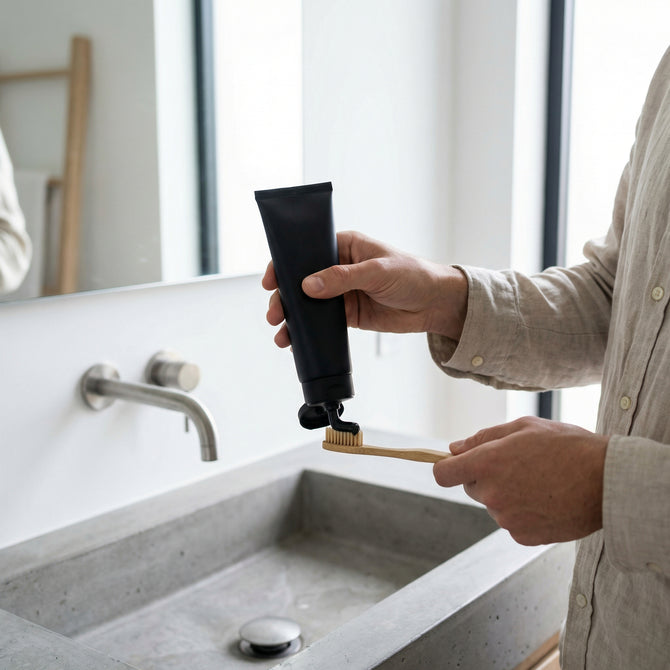
Q: Can activated charcoal whiten teeth?
A: Activated charcoal is marketed in tooth-whitening products, but evidence is limited. Some dental professionals caution that charcoal may be abrasive and can wear down enamel over time, worsening tooth appearance.
Q: Does activated charcoal cure hangovers?
A: No. Activated charcoal does not effectively absorb alcohol. While some people believe it helps hangovers, research suggests it’s unlikely to significantly reduce blood alcohol levels or hangover symptoms.
Q: Are there benefits for cholesterol or kidney health?
A: Some studies suggest potential benefits like lowering LDL cholesterol or supporting kidney health when used under medical supervision, but evidence is limited and more research is needed.
Q: Is activated charcoal safe?
A: Activated charcoal is generally safe when used appropriately and briefly. However, it can cause side effects like black stools, constipation, nausea, vomiting, and, rarely, severe complications like bowel obstruction.
Q: What are common side effects?
A: Typical side effects include:
• Black stools
• Constipation or diarrhea
• Vomiting
More serious effects (rare) include aspiration pneumonia or intestinal blockage if used improperly.
Q: Does activated charcoal interact with medications?
A: Yes. Activated charcoal can bind to many medications, reducing their absorption and effectiveness including birth control pills, antibiotics, antidepressants, and pain relievers. Take charcoal at least 2 to 4 hours apart from medications and supplements.
Q: Who should avoid using activated charcoal?
A: Avoid it if you have:
• Gastrointestinal issues (blockage, slow motility)
• Risk of aspiration or unconsciousness
• Recently taken acids, alkalis, or metals (iron, lithium)
Also consult a doctor before use during pregnancy or breastfeeding.
Q: Can I use activated charcoal every day?
A: Routine daily use is not recommended, especially without medical guidance. Long-term use can bind nutrients and medications and may lead to deficiencies or complications.
Q: How long does activated charcoal stay in your system?
A: Activated charcoal is not absorbed systemically, it stays in the digestive tract and exits with stool. How long it stays depends on your digestive transit time, typically a day or less.


