








Protect Your Vacation with Activated Charcoal

Nothing ruins a vacation faster than food poisoning. You save up extra money, you plan for months, you travel far, and suddenly you're stuck in a hotel bathroom instead of exploring ancient ruins or enjoying beachfront cocktails. Whether it's contaminated water, unfamiliar street food, or undercooked delicacies, travelers' diarrhea and foodborne illness are a common and miserable part of many adventures abroad.
But there’s one simple remedy you might not have packed: activated charcoal. This natural, jet-black powder might just be the low-key superhero of your travel health kit.
What Is Activated Charcoal?
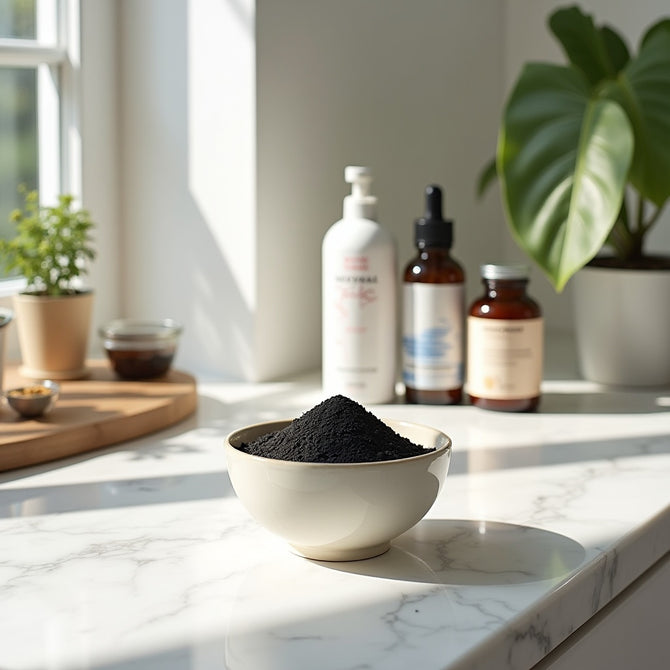
Activated charcoal is not the same as the charcoal in your grill. It’s a fine, odorless black powder made from coconut shells, bamboo, peat, or other carbon-rich materials that are "activated" at high temperatures to create a porous structure. Those pores are what give it super-adsorbent properties.
This substance has been used in emergency rooms for decades to treat drug overdoses and poisonings. It works by binding to toxins in the stomach and intestines, preventing them from being absorbed into the bloodstream.
How It Helps Travelers
While activated charcoal isn’t a magic bullet, here’s how it could help you during your travels:
1. Relieves Food Poisoning Symptoms
If you’ve eaten something questionable and are starting to feel the telltale nausea, cramps, or diarrhea, activated charcoal may help by binding to the bacteria, toxins, or irritants in your digestive tract. This can potentially reduce the severity and duration of symptoms.
2. Neutralizes Contaminated Water Effects
In areas where tap water isn’t safe to drink, you might accidentally consume harmful bacteria like E. coli, Salmonella, or Giardia. Activated charcoal may reduce the impact if taken soon after exposure, especially before symptoms fully set in.
3. Reduces Gas and Bloating
Even if you’re not sick, your gut might rebel against spicy or unfamiliar foods. Activated charcoal is often used to ease gas and bloating caused by indigestion which is always useful after a night of adventurous eating.
How to Use Activated Charcoal While Traveling
Dosage: Typically 500 to 1,000 mg per dose (capsule or powder), but always check with a doctor or pharmacist, especially if you’re on medication.
Timing: Take as soon as symptoms start or better yet, immediately after suspected exposure.
Water: Drink plenty of water with it to help flush out toxins and prevent constipation.
Important: Activated charcoal can bind to medications, reducing their effectiveness. Don’t take it within 2 hours of your other meds or supplements.
When to Skip It
Activated charcoal is not a cure-all. Don’t use it:
• For long term ongoing stomach issues (see a doctor instead)
• If you’re vomiting heavily or dehydrated
• If you have other serious conditions that may be impacted
Also, if your symptoms are severe like a fever, blood in stool, prolonged diarrhea, etc. seek medical attention immediately. As helpful as activated charcoal can be, it is important to seek out a medical professional for proper care.
Final Thoughts
Packing a few activated charcoal capsules in your travel bag might seem unnecessary until you’re stuck in a rural town with no clinic in sight and a stomach full of regret. It’s cheap, compact, and widely available at pharmacies and online. Think of it as your travel insurance for the gut.
Let’s face it: you came for the views, not the toilet seat.
Disclaimer: This article is for informational purposes only and is not medical advice. Always consult a healthcare professional before starting any new supplement, especially if you're pregnant, nursing, or taking prescription medications.


