








Is Activated Charcoal Safe?

Activated charcoal has become a popular ingredient in everything from air purifiers to personal care products. Its ability to trap impurities makes it appealing for deodorizing, filtration, and certain medical uses. Still, many people wonder whether it is truly safe to use.
The short answer is that activated charcoal is generally safe when used appropriately. The longer answer depends on how it is being used, in what form, and in what quantity. This guide breaks down what you need to know.
What Activated Charcoal Actually Does
Activated charcoal is a highly porous form of carbon that binds substances to its surface through a process called adsorption. Because of its massive internal surface area, it can trap odor molecules, certain chemicals, and some toxins.
Importantly, activated charcoal is not absorbed by the body when ingested. It typically passes through the digestive system unchanged. That property is part of why it has been used in medical settings for decades.
When Activated Charcoal Is Considered Safe
For most everyday uses, activated charcoal has a strong safety profile.
In home and lifestyle applications such as deodorizing bags, air filters, and water filtration systems, it is widely regarded as low risk when handled properly. It is chemically stable, non volatile, and does not release fragrances or fumes.
In medical environments, activated charcoal has long been used under professional supervision to treat certain types of poisoning and drug overdoses. The material binds to specific toxins in the digestive tract and helps prevent absorption into the bloodstream.
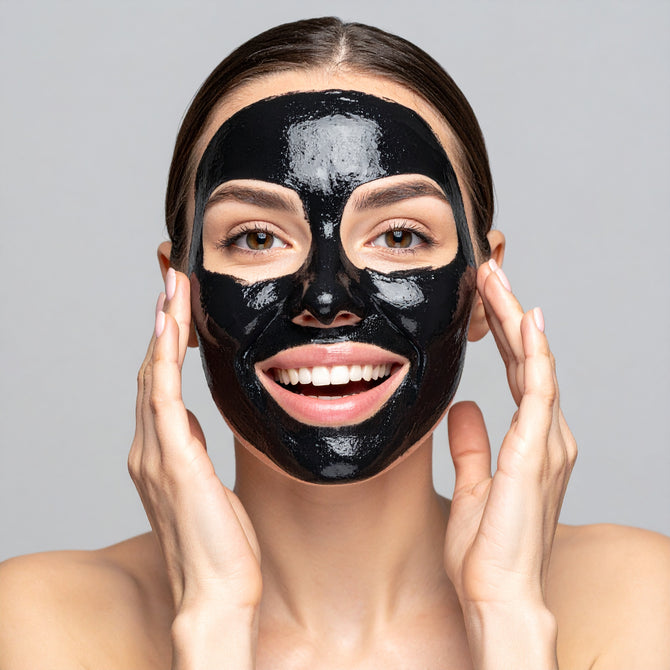
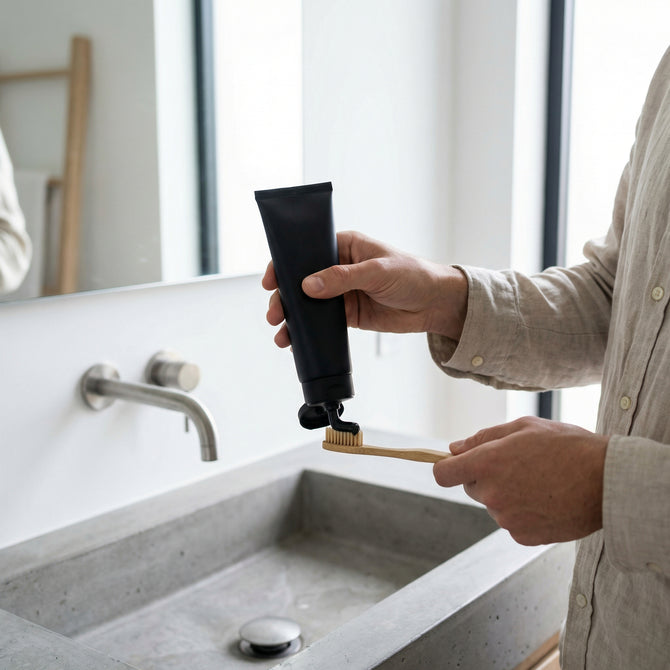
Topical use in skincare and grooming products is also generally considered safe for most people, especially when products are formulated by reputable manufacturers.
Situations Where Caution Is Important
Safety depends heavily on how activated charcoal is used. While the material itself is relatively inert, misuse can lead to problems.
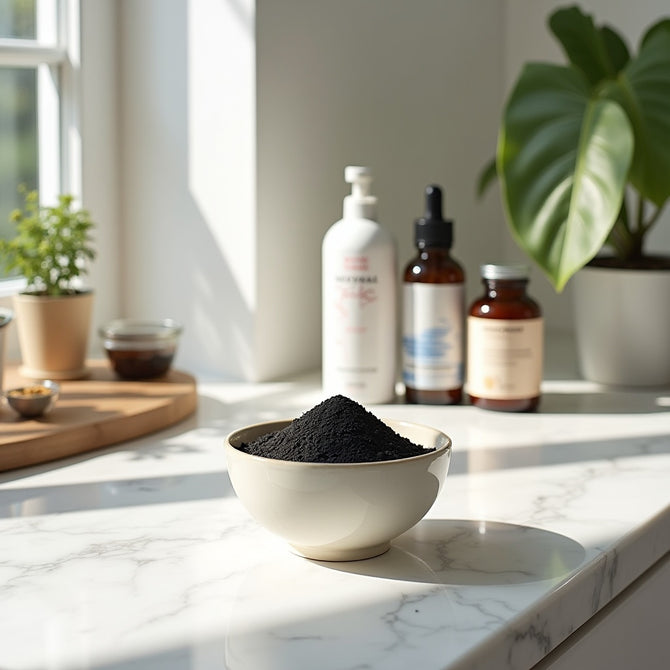
Inhalation of fine charcoal dust should be avoided. Very small particles can irritate the lungs if breathed in repeatedly. This is mainly a concern when handling loose powdered charcoal rather than sealed deodorizing products.
Ingestion without medical guidance can also be problematic. Activated charcoal can bind to medications and reduce their effectiveness. It can also cause side effects such as constipation, black stools, nausea, or vomiting in some people. For this reason, it should not be taken internally unless directed by a medical professional.
Skin sensitivity is uncommon but possible. Some individuals may experience dryness or mild irritation from charcoal based skincare products, particularly if used too frequently.
Special Considerations for Pets and Children
Activated charcoal products used for deodorizing are generally safe to have in the home. However, loose powder should be kept out of reach of children and pets to prevent accidental ingestion or mess.
If a pet or child consumes a large amount of activated charcoal, contacting a healthcare provider or veterinarian is the safest course of action.
Choosing Safe Activated Charcoal Products
Quality matters. Products made for deodorizing, filtration, or personal care are manufactured to different standards.
Look for clear labeling that matches the intended use. For example, charcoal designed for aquarium filters is not the same as food grade or cosmetic grade material. Reputable brands will specify the grade and provide usage guidance.
Avoid products that appear contaminated, excessively dusty, or poorly sealed.
The Bottom Line
Activated charcoal has earned its reputation as a versatile and generally safe material. In most home, deodorizing, and topical applications, it poses very little risk when used as directed.
The main safety concerns arise from improper ingestion, inhalation of fine powder, or using the wrong grade for the intended purpose. With basic precautions and quality products, activated charcoal remains one of the safest and most reliable natural tools for odor control and filtration.
If you ever plan to use activated charcoal internally or for medical purposes, consult a qualified healthcare professional first.


