






The History of Activated Charcoal

Activated charcoal may be a wellness buzzword today, appearing in everything from face masks and toothpaste to detox drinks, but its origins stretch back thousands of years. With a history rooted in ancient medicine, survival science, and modern technology, activated charcoal has proven its usefulness in modern society. Here's how this remarkable substance evolved through the centuries to become a modern-day essential.
Ancient Origins: Charcoal as Early Medicine
Charcoal use dates back to at least 3750 BCE, when the ancient Egyptians used it for smelting ores and preserving wood in mummification. By 1500 BCE, Egyptians were also applying charcoal medicinally, using it to treat intestinal disorders and clean wounds. Its natural absorptive properties made it a somewhat primitive but effective tool for detoxification.
Meanwhile, in ancient Hindu texts, charcoal is referenced as a water purifier. In fact, Sanskrit writings from around 450 BCE describe filtering water through charcoal, a practice that predates modern water purification systems by millennia.
Greek and Roman Discoveries
By the time of Hippocrates (460-370 BCE) and Pliny the Elder (23-79 CE), charcoal had gained wider recognition in Europe. These classical thinkers documented its use for treating epilepsy, anthrax, and even vertigo. Its role in oral ingestion for poison control started taking shape here, laying the groundwork for one of its most popular uses today.
The Middle Ages: Charcoal in Surgery and Preservation
During the Middle Ages, activated charcoal was less commonly documented in medical texts but it remained in use, especially for preserving perishables and treating infected wounds. Surgeons during the Black Plague era used it in rudimentary poultices to fight infection, though the underlying science would not be understood for centuries.
The Scientific Awakening: 18th–19th Century
It wasn’t until the 18th century that the idea of "activation", increasing the surface area of charcoal to maximize its absorbency, began to take shape. In 1773, Swedish chemist Carl Wilhelm Scheele demonstrated charcoal’s ability to adsorb gases.
The real breakthrough came in the early 1800s, when French chemist Michel Bertrand famously ingested a lethal dose of arsenic trioxide, along with activated charcoal, and survived, dramatically proving its life-saving potential in poison control. This moment marked a turning point in the medical acceptance of activated charcoal.
The Industrial Era: Charcoal Meets Chemistry
By the 1900s, the process of "activating" charcoal through heat and steam became standardized. This treatment created an incredibly porous structure capable of trapping chemicals, toxins, and gases. Activated charcoal was used extensively in World War I gas masks, helping soldiers survive chemical warfare.
Hospitals began stocking it for emergency poison treatment and drug overdoses, and its role in water and air purification began to scale up during the early-to-mid 20th century.
Modern-Day Renaissance: From Detox to Skincare
In recent decades, activated charcoal has moved from hospitals and laboratories to kitchen shelves and beauty cabinets. As people seek natural remedies and toxin-free living, activated charcoal has found new life in:
• Detox drinks and supplements
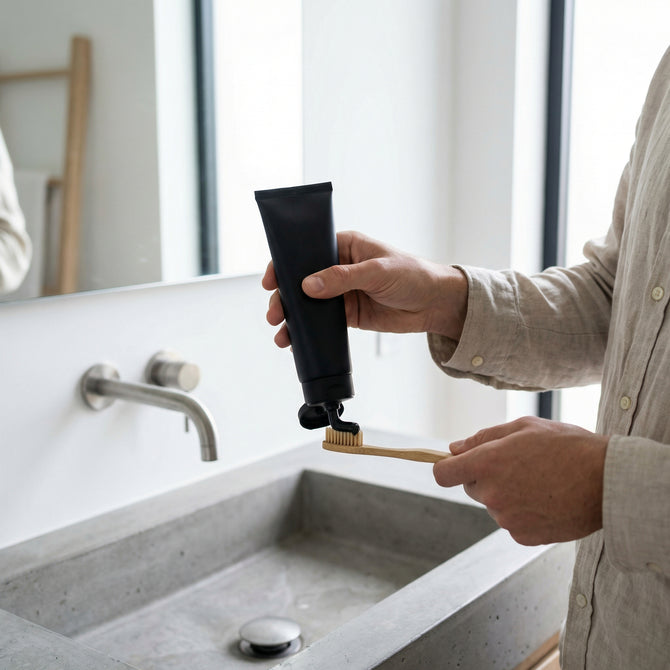
• Toothpaste and whitening products
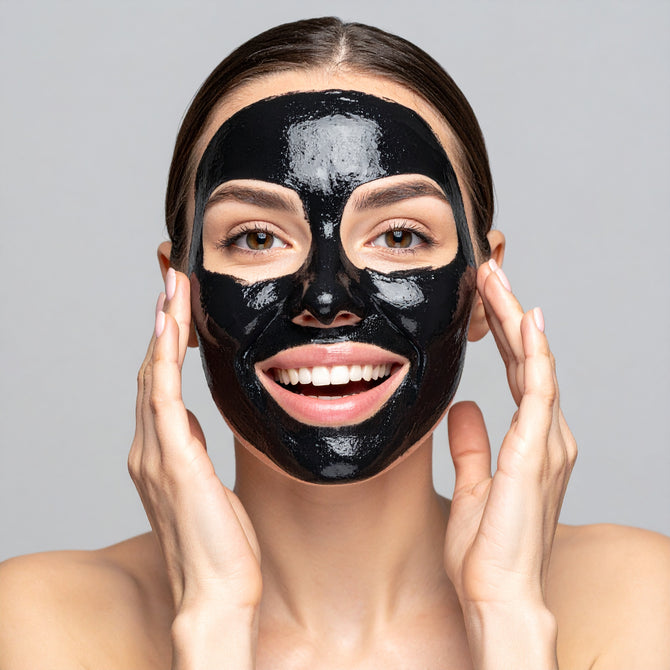
• Skincare masks and soaps
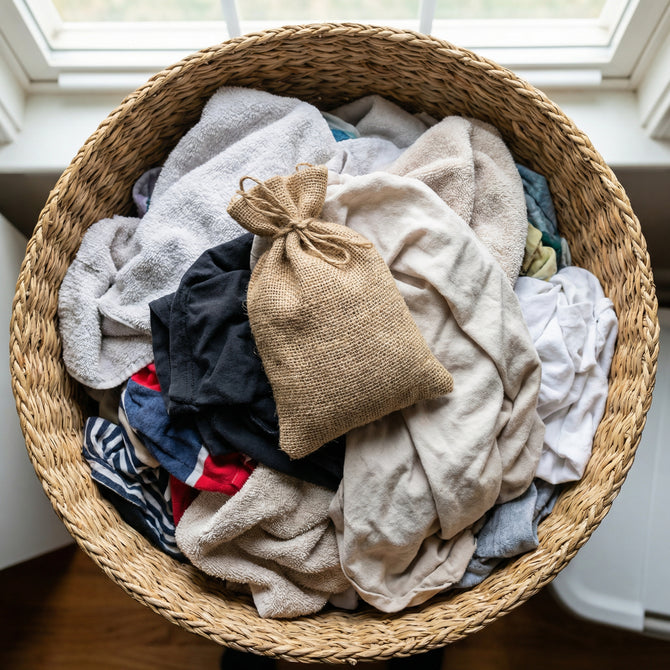
• Odor absorbers and dehumidifiers
• Eco-friendly water and air filters
Its popularity on social media and among health influencers has fueled a wave of consumer demand, but it’s more than just hype. Activated charcoal remains a go-to solution for adsorption, both internally (with proper medical guidance) and externally.
The Future of Activated Charcoal
From ancient apothecaries to Instagram feeds, activated charcoal’s journey is one of enduring utility. As research continues, especially in the fields of nanotechnology, biomedicine, and environmental cleanup, the possibilities for this substance seem limitless.
Whether you’re sipping it in a detox tonic, brushing with it for a brighter smile, or using it to purify your water, you’re participating in a tradition that spans over 5,000 years. Not bad for something made from burned coconut shells or hardwood.
Explore More on activatedcharcoal.com
Discover premium activated charcoal products, learn about their science-backed benefits, and join a community dedicated to clean living and natural wellness.


