








The Gut-Skin Connection

If your skin has been acting up and your skincare routine has not changed, your gut might deserve a closer look. More researchers are paying attention to what is called the gut-skin axis, which describes the ongoing communication between your digestive system, immune response, and skin health. SkinInc.
The short version is this: what is happening in your gut does not stay in your gut. It can show up on your face, your arms, and pretty much anywhere your skin lives.
Your Gut Does More Than Digest Food
Inside your digestive tract lives a massive community of bacteria, fungi, and other microbes. When this ecosystem is balanced, it supports nutrient absorption, immune function, and inflammation control. When it becomes imbalanced, often called gut dysbiosis, the ripple effects can reach far beyond digestion. MDPI
Researchers have found that disrupted communication between the microbiome and the body can influence several skin conditions. The connection is complex, but inflammation and immune signaling appear to be major players. PubMed
Common Skin Issues Linked to Gut Imbalances
While skin problems have many possible causes, research continues to find meaningful links between gut health and several well known conditions.
Acne: People with acne often show differences in gut bacteria compared to those with clear skin. Systemic inflammation and hormone regulation, both influenced by the gut, can contribute to breakouts.
Eczema (atopic dermatitis): Lower microbial diversity in the gut has been associated with eczema, which may lead to an overactive immune response and inflamed, itchy skin.
Rosacea: Some studies have connected rosacea with gut disturbances such as small intestinal bacterial overgrowth and certain infections.
Psoriasis: Altered gut barrier function and intestinal inflammation have been observed more frequently in people with psoriasis.
Researchers using genetic and microbiome data have even identified dozens of potential causal links between gut bacteria patterns and inflammatory skin diseases, which highlights how tightly these systems are intertwined.
How Gut Problems Can Show Up On Your Skin
There is no single pathway, but a few mechanisms keep showing up in the research.
First is inflammation. When the gut microbiome is out of balance, it can trigger systemic inflammation that circulates through the body and may worsen skin flare ups.
Second is immune system signaling. A large portion of your immune system lives in the gut. If the gut environment becomes disrupted, immune responses can become overactive, which is a known factor in conditions like eczema and psoriasis.
Third is nutrient absorption. Your skin relies on nutrients such as vitamin A, zinc, and essential fatty acids. Poor digestion or absorption can leave the skin undernourished, which may contribute to dryness, dullness, or slower healing.
Gut Friendly Habits That Can Support Your Skin
You do not need an extreme reset to start supporting your microbiome. Consistent daily habits tend to make the biggest difference over time.
• Eat more fiber-rich whole foods like vegetables, fruits, legumes, and whole grains
• Include fermented foods when tolerated, such as yogurt, kefir, kimchi, or sauerkraut
• Stay well hydrated throughout the day
• Manage chronic stress, which can disrupt gut balance
• Be mindful of highly processed foods that may promote inflammation
These steps support microbial diversity and help create an environment where beneficial bacteria can thrive.
Where Activated Charcoal Fits Into The Conversation
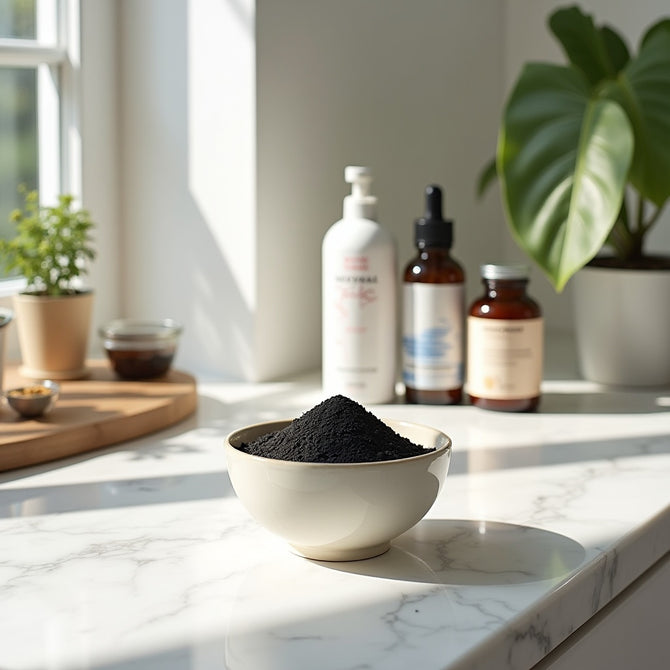
Activated charcoal is often discussed in gut health circles because of its ability to bind certain unwanted compounds in the digestive tract. While it is not a cure for skin conditions, some people use it as part of a broader gut support routine, especially during occasional digestive discomfort.
What matters most is the bigger picture. Skin health tends to improve when digestion, inflammation, sleep, nutrition, and stress are all moving in the right direction together.
TL;DR
Your skin is often a reflection of what is happening internally. The growing body of research around the gut-skin axis makes one thing clear: caring for your microbiome can be a meaningful part of supporting clearer, calmer looking skin.
If your topical routine has plateaued, it may be worth zooming out and looking inward. Sometimes the glow up starts in the gut.


